retail
Lee Thiam Wah, who was left wheelchair-bound by childhood polio, has built one of Malaysia’s largest retail fortunes from a roadside snack stall, earning him the title of the nation's “King of Mini-Marts.”
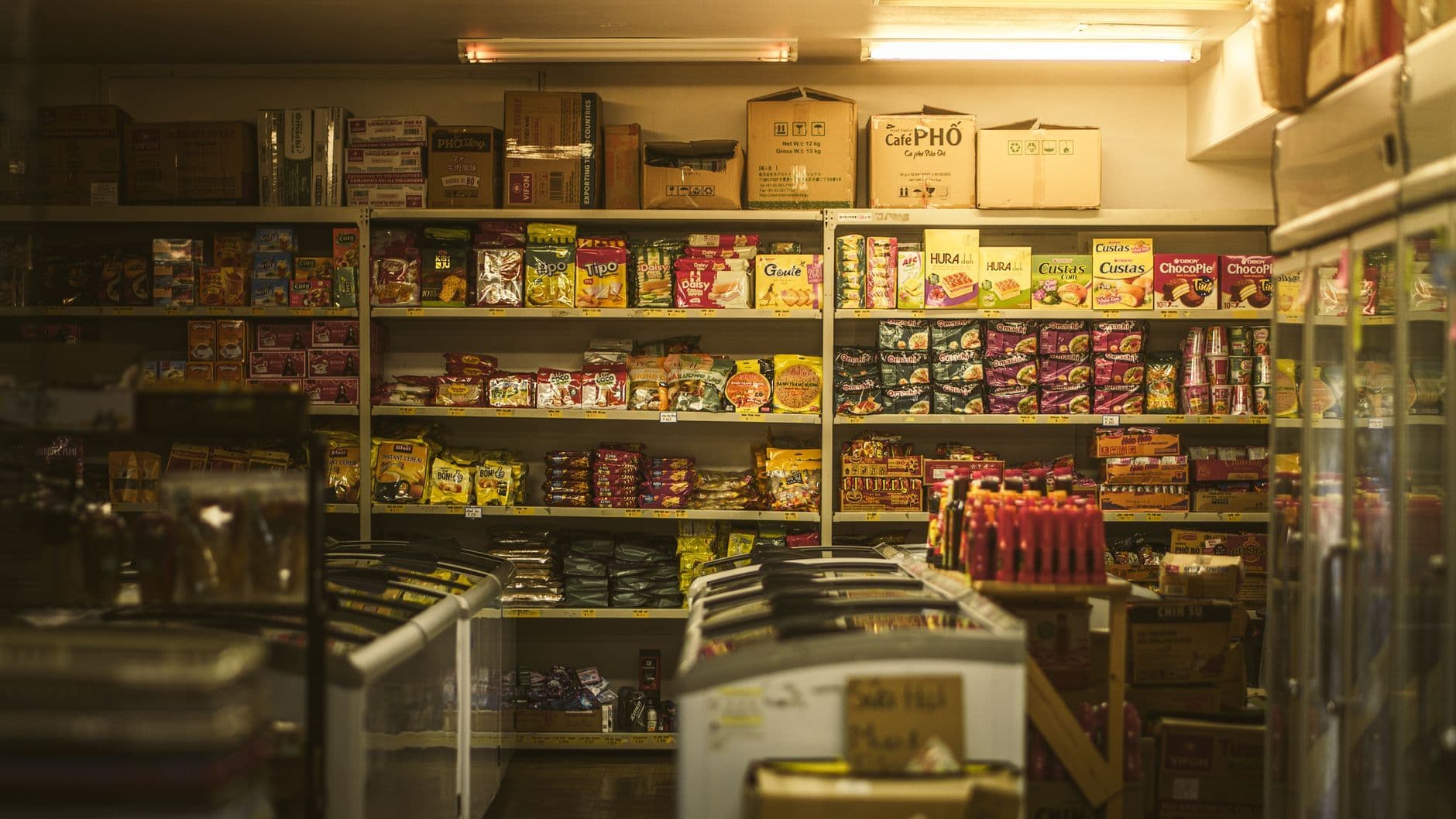
Now 62, Lee was ranked sixth on Forbes' Malaysia rich list in April with an estimated net worth of $6.7 billion. His wealth is derived from his flagship company, 99 Speedmart, one of the country's largest mini-mart chains, which operated 3,086 outlets as of March 31, 2026.
For the financial year ending December 31, 2025, the business reported a net profit of RM614.2 million (US$151.4 million) on revenues of RM11.43 billion, according to its annual report. Beyond the financial success, the entrepreneur is widely recognized in Malaysia as a prominent example of overcoming physical limitations in business.
Born in 1964 in Klang, a city in Malaysia’s Selangor state, Lee was one of 11 children. His father was a construction worker and his mother a hawker. He contracted polio at just eight months old, permanently losing the use of his legs. With travel to other schools being too difficult, his family could only provide him with six years of primary education.
As his parents were occupied with earning a living, Lee started his first venture selling snacks from a roadside stall, where he also spent his time reading books borrowed from neighbors.
"I have to help myself. Nobody would hire me due to my physical limitation," he said in a 2010 interview with Forbes.
By living frugally, Lee saved his earnings from the stall. At the age of 23, he used RM17,000 in savings to open a “mom and pop” sundry shop named Pasar Raya Hiap Hoe in 1987. This venture provided him with direct experience and insight into the retail market through interactions with customers and suppliers.
He later sold that store and in 1992 launched his first mini-mart, Pasar Mini 99. The business gradually expanded to eight outlets in Klang by 1998.
"For the first mini-mart we sacrificed margins on some products to sell at the lowest price and to gain market share," Lee recalled in the Forbes interview. "This built our reputation." Where the chain could not offer the lowest price, it provided products in smaller, more affordable sizes.
His wife, Ng Lee Tieng, joined the company in 1997 as a purchasing executive and has been integral to its growth.
Between 2000 and 2003, all outlets were rebranded under the 99 Speedmart name as part of an intensive expansion drive.
"We chose the number 99 because it implies that even though we are not perfect, we still aim to offer our customers the best services and products we have at a competitive price," he explained to The Star in 2017. He added that the less-than-perfect score serves as a constant reminder that there is always room for improvement.
The chain’s slogan, "Near n’ Save," underscores its strategy of providing convenience and value to consumers.
In 2024, 99 Speed Mart Retail Holdings went public, raising RM2.36 billion in what was then Malaysia’s largest IPO in seven years. The listing date, September 9, was a symbolic nod to the brand name. Based on the debut price of RM1.65 per share, Lee officially entered the ranks of billionaires with an estimated net worth of $3.4 billion.
Lee, however, has downplayed his personal valuation. Shortly after the IPO, he told Bloomberg of his future plans, stating, "I am looking at ways to be involved in other investments, but these investments won’t replace 99 as my primary business. My time and effort, a majority of it, will still go to 99."
His other investments include the Burger King franchise in Malaysia and Singapore, acquired for RM74.6 million in 2015 through his investment firm Newscape Capital. He has also invested in Singapore’s U Stars Supermarket chain and diversified into finance by purchasing a stake in Malaysia's Alliance Bank in 2023.
Lee has often credited his paternal grandmother for inspiring his business journey and teaching him life values.
"She told me, ‘You are only disabled physically, not mentally. You are smart and can still use your hands to do so much more. You will need to be independent and find a way to live or you will be left behind,’" he shared in the 2017 interview with The Star, noting her words gave him the courage to start his roadside stall.
For Lee, success has been about focusing on his abilities rather than his limitations. "You have to be self-reliant," he told Forbes in 2010. "Sure, you have to work harder than anyone else, but the knowledge you gained will build up your self-esteem."
Top 5 Vietnam business stories in your inbox every morning. Free, no spam.